Key takeaways
- Sulphites in dried fruit are regulated as additives and allergens, not just preservatives. In the EU, sulphur dioxide and sulphites are E220-E228 under Regulation (EC) No 1333/2008, while allergen declaration is triggered above 10 mg/kg SO2 equivalent under Regulation (EU) No 1169/2011.
- Dried apricots sit at the top of the EU dried-fruit SO2 limit table. The commonly cited EU maximum for dried apricots is 2,000 mg/kg SO2, while other dried fruits have lower category limits.
- Sorbates are a separate decision. Potassium sorbate (E202) inhibits yeasts and moulds in some fruit products, but it does not replace sulphite labelling and may conflict with clean-label positioning.
- Unsulphured does not mean uncontrolled. Unsulphured dried fruit needs tighter control of water activity, colour expectation, microbial load and shelf life because SO2 is no longer masking browning or suppressing spoilage.
- The RFQ must state both maximum and declaration target. A buyer may legally accept sulphites but still require a private-label limit below the regulatory maximum to fit allergen or clean-label strategy.
Introduction
Sulphites and sorbates in dried fruit are one of the fastest ways for a clean B2B order to become a label dispute. A buyer asks for bright orange apricots, golden raisins or light apple pieces; the supplier quotes a sulphured lot; the finished-product team then discovers that sulphites must be declared as an allergen or that the brand brief promised no preservatives. The issue is not only chemistry. It is a contract, label and market-positioning question.
This guide explains the EU additive framework, the practical SO2 limits that matter for dried fruit, how sulphites differ from sorbates, and how procurement teams should write RFQs for sulphured, low-sulphite and unsulphured supply. For related checks, see Arovela's guides to dried fruit COA review, quality grades and geothermal drying.
EU rules: E220-E228 and allergen declaration
The legal additive source is Regulation (EC) No 1333/2008 on food additives. Sulphur dioxide and sulphites are authorised under E numbers E220 to E228, with conditions of use listed by food category. The labelling source is Regulation (EU) No 1169/2011, Annex II, which lists sulphur dioxide and sulphites as substances causing allergies or intolerances when present above 10 mg/kg or 10 mg/L expressed as SO2.
That 10 mg/kg threshold is not a maximum use level. It is the allergen-declaration trigger. A dried apricot at 800 mg/kg SO2 may be below the additive maximum, but it still needs sulphite allergen declaration in the finished product. This is the point many procurement teams miss when they buy ingredients rather than retail packs.
EU SO2 limits buyers quote for dried fruit
| Dried fruit category | EU maximum SO2 as sold | Procurement implication |
|---|---|---|
| Dried apricots, peaches, grapes, prunes, figs | 2,000 mg/kg | One regulatory group at the top of the table; bright colour usually implies sulphuring and allergen declaration is effectively certain |
| Dried bananas | 1,000 mg/kg | Category-specific; confirm the line before assuming |
| Dried apples and pears | 600 mg/kg | Low-sulphite private-label specs often set lower internal caps |
| Other dried fruit (default category) | 500 mg/kg | Used where no specific product line applies |
| Dried tomatoes | 200 mg/kg | Product-specific category check required |
| Dried coconut | 50 mg/kg | Much lower limit than most dried fruit; never assume a generic figure |
| Any food above allergen threshold | >10 mg/kg SO2 equivalent | Allergen declaration under EU 1169/2011 Annex II |
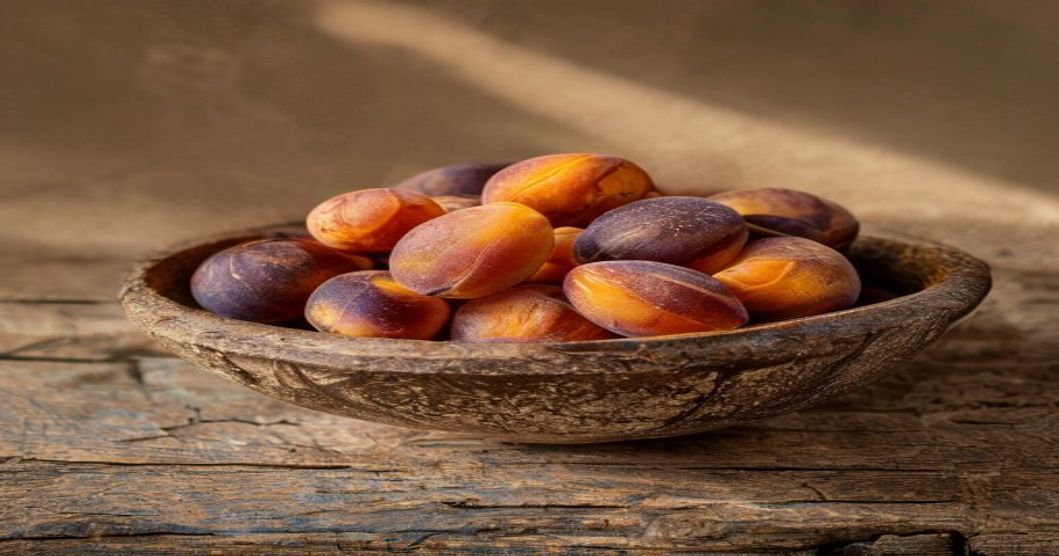
For Turkey-origin dried fruit, the commercial decision often starts with colour. Sulphured apricots are bright orange and visually stable. Unsulphured apricots are brown to dark amber, with a caramelised flavour and shorter colour shelf life. Neither is automatically better. The right choice depends on label promise, target channel and customer tolerance for natural colour variation.
Sorbates (E200, E202) are not sulphites
Sorbic acid (E200) and sorbates such as potassium sorbate (E202) inhibit yeasts and moulds. They are not sulphites and do not preserve the same bright colour. A fruit piece can be sulphite-free but still contain sorbate, so "no sulphites" is not the same as "no preservatives." If a buyer wants preservative-free positioning, the RFQ must exclude both sulphites and sorbates, then compensate with water activity, packaging and shelf-life controls.
Sorbates are more common in high-moisture fruit preparations, fillings and some semi-moist fruit systems than in traditional whole dried fruit. For bakery or dairy fruit preparations, the finished-product manufacturer may add sorbate downstream. Arovela should therefore identify whether the supply is a simple dried fruit ingredient, a treated semi-moist inclusion, or a formulated preparation.
Testing and COA review
SO2 is usually reported as mg/kg sulphur dioxide equivalent. Common analytical approaches include optimized Monier-Williams distillation, ion chromatography and HPLC-based methods depending on the lab and matrix. A useful COA gives the method, LOQ, result, sample date, lot number and whether the value is total SO2. A statement such as "sulphite free" should be backed by a numeric result below the lab's LOQ and a clear threshold.
For sorbates, HPLC is commonly used. The COA should identify sorbic acid or potassium sorbate and report mg/kg. If both sulphites and sorbates are tested, do not allow the supplier to merge them under "preservatives pass." They have different legal and label consequences.
RFQ wording for three buying scenarios
Sulphured lot: "Product may contain sulphur dioxide/sulphites within EU-authorised levels for the relevant dried-fruit category. Supplier shall report total SO2 in mg/kg on each lot COA and confirm allergen declaration requirement for finished EU labelling."
Low-sulphite lot: "Product shall contain total SO2 not exceeding the buyer limit of X mg/kg, measured on the product as shipped. Supplier shall confirm whether the value exceeds 10 mg/kg SO2 equivalent and therefore requires EU allergen declaration."
Unsulphured, no sorbate: "Product shall be produced without added sulphur dioxide, sulphites, sorbic acid or sorbates. Supplier shall provide SO2 and sorbate results or a justified risk-based declaration, plus water activity and microbiology results supporting the requested shelf life."
Shelf-life trade-offs
Removing sulphites changes the product. It can darken faster, show more batch-to-batch colour variation and require tighter moisture control. For apricots, the buyer should approve the expected brown colour rather than treating it as a defect. For apple pieces, the buyer should define whether browning during baking is acceptable. For fruit powders, sulphites may interact with flavour perception and label strategy even when the ingredient is only a minor component.
Packaging becomes more important in low-sulphite and unsulphured programmes. Oxygen and moisture barrier, seal integrity, pallet humidity and warehouse temperature should be part of the specification. A clean-label product can fail commercially if it arrives sticky, darkened or fermented because the preservative was removed without a replacement control plan.
Common label mistakes
- Declaring "sulphite free" when the lab result is below a high LOQ rather than below 10 mg/kg.
- Forgetting that sulphites carried by an ingredient may need allergen emphasis in the final product.
- Treating potassium sorbate as a sulphite substitute for colour; it is primarily antimicrobial.
- Asking for bright orange unsulphured apricots, which is commercially unrealistic.
- Using a supplier declaration without per-lot verification for private-label claims.
Frequently asked questions
Does every sulphured dried fruit need EU allergen labelling?
If the finished food contains sulphur dioxide or sulphites above 10 mg/kg or 10 mg/L expressed as SO2, EU Regulation 1169/2011 requires declaration as an allergen. Most conventionally sulphured dried fruit is far above that threshold, so buyers should assume declaration is required unless a COA proves otherwise.
Is the 2,000 mg/kg value valid for all dried fruit?
No, but it covers more than apricots. Under Regulation (EC) No 1333/2008 the 2,000 mg/kg level applies to a group: dried apricots, peaches, grapes, prunes and figs. Other categories are lower — bananas 1,000, apples and pears 600, most other dried fruit 500, tomatoes 200, and coconut just 50 mg/kg. Always check the specific product category in Regulation 1333/2008 or the EU food additives database before using a generic limit.
Can unsulphured dried fruit have the same shelf life as sulphured fruit?
Sometimes, but only with stronger controls. Unsulphured products need lower water activity, better packaging, tighter microbiology and realistic colour acceptance. The shelf-life claim should be proven by product-specific data, not copied from a sulphured product.
Choose the preservative strategy before sampling
If your dried fruit project needs sulphured, low-sulphite or unsulphured supply from Turkey, define the label strategy before asking for price. Arovela can align samples, COA fields and export documentation with your target. Send a technical quote request, compare wholesale formats, or review Arovela certifications before finalising the RFQ.
Lab and label decision tree for buyers
A practical sulphite decision tree starts before the sample is shipped. First, decide whether the finished product will permit preservative declaration. If the brand brief says preservative-free, the supplier should quote unsulphured and no-sorbate material from the beginning; trying to remove SO2 after sample approval usually changes colour, texture and price. Second, decide whether the finished food will carry allergen emphasis. If SO2 is above 10 mg/kg, the ingredient team should notify the label owner before the purchase order, not after goods arrive. Third, define the analytical method and lot frequency. For first orders, every shipment should carry total SO2 and, where sorbate is excluded, a sorbate result or justified declaration. Fourth, connect the number to shelf-life. A low-sulphite apricot with high water activity is not a clean-label success; it is a mould complaint waiting to happen. Arovela's ISO 22000 and ISO 9001 systems support documented lot release, but the buyer-specific preservative strategy still belongs in the RFQ.