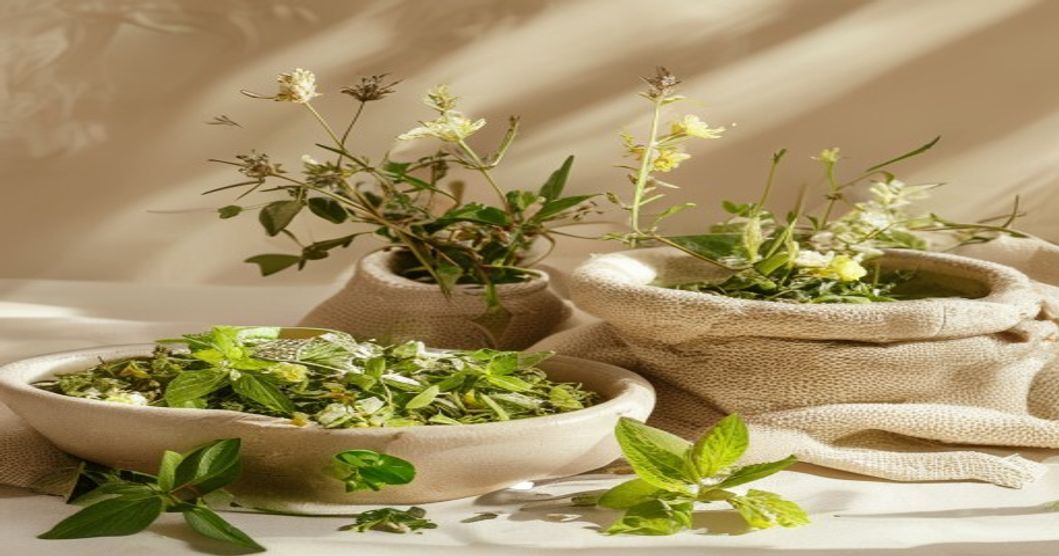
Key takeaways
- Turkish herbal tea botanicals — linden (ihlamur), sage (adaçayı), melissa/lemon balm (Melissa officinalis), and mint (Mentha) — are core blending raws for the global infusion industry, valued for the aromatic intensity that Anatolia's climate and altitude produce.
- For tea and infusion blenders, the variables that actually drive a purchase are cut size (whole leaf, C/S, and TBC for tea-bag lines), drying method and residual moisture, essential-oil content, and a clean microbiology and pesticide profile — not just the botanical name.
- Each botanical has its own harvest seasonality: linden flowers in early summer, sage and mint through the warm months, and melissa across two or three cuts per season. Crop timing and crop year move both quality and price.
- Always demand a per-batch Certificate of Analysis (COA) covering identity, moisture, volatile-oil content, microbiology (total plate count, yeast/mould, E. coli, Salmonella), heavy metals, and pesticide residues against EU maximum residue levels.
- Arovela supplies from a Sındırgı (Balıkesir) facility with a warehouse in Solingen, Germany for short EU lead times, running on ISO 22000, ISO 9001, and ISO 27001 documentation with COA on request — and only botanicals genuinely grown in Türkiye.
Introduction: why blenders source herbal tea botanicals from Türkiye
Buyers searching for Turkish herbal tea botanicals in bulk are usually not short of suppliers — they are short of suppliers who can hold a consistent cut size, hit a moisture target lot after lot, and hand over a microbiology and pesticide COA that survives an EU customer audit. For a tea blender, an infusion brand, or a private-label co-packer, the botanical name on the spec sheet is the easy part. The hard part is repeatable quality at the cut size your filling line actually runs.
Türkiye sits in one of the richest medicinal- and aromatic-plant zones on earth. Anatolia spans Mediterranean, continental, and Black Sea climates across a wide altitude range, and that diversity is exactly why so many infusion raws — linden, sage, melissa, and mint among them — express strong aroma and high essential-oil content when grown here. The country has a deep, traditional herb economy: these plants have been dried, blended, and brewed across Anatolian households for centuries, long before they became line items on a procurement portal. For the wider category context, see our overview of medicinal and aromatic plants from Anatolia for export.
This guide is written for the people who buy these raws by the bale and the pallet. It covers what each botanical is and how it is graded, the cut sizes that matter for tea-bag versus loose-leaf lines, how drying and moisture govern shelf life, the essential-oil and COA parameters to specify, realistic MOQ and pricing drivers, and the harvest calendar that quietly controls availability. The aim is a single reference you can put next to a purchase order.
The four core botanicals at a glance
Before the detail, here is how the four headline raws compare on the attributes a blender cares about. Treat the essential-oil figures as directional ranges that vary by crop year, origin, and cut.
| Botanical | Turkish name | Botanical name | Part used | Typical volatile-oil range | Flavour role in blends |
|---|---|---|---|---|---|
| Linden | İhlamur | Tilia spp. | Flower + bract | Low (delicate, fragrant) | Soft, honeyed, calming base |
| Sage | Adaçayı | Salvia spp. | Leaf | ~1–2.5% | Warm, herbaceous, savoury |
| Melissa | Oğul otu / Melisa | Melissa officinalis | Leaf | Low (~0.05–0.3%) | Bright lemon, citrus lift |
| Mint | Nane | Mentha spp. | Leaf | ~1–3% | Cooling, sweet, dominant top note |
Two practical points follow from this table. First, volatile-oil content does not equal blend importance — melissa is low in oil yet contributes a signature lemon note that buyers pay a premium for, while linden's appeal is its delicate fragrance rather than a high oil figure. Second, mint and sage are aromatically assertive; a small percentage shift in a blend changes the cup, so cut consistency and oil content both have to be specified, not assumed.
Cut sizes: the spec that decides whether a botanical runs on your line
Cut size is the single most underestimated variable in herbal-tea sourcing. The same dried linden or sage can be sold as whole leaf, as a coarse cut, or as fine tea-bag cut (TBC) — and the wrong one will either jam a high-speed bagging machine or look wrong in a loose-leaf tin.
Whole leaf / whole flower
Whole-leaf sage, whole-flower linden, and whole-leaf melissa are the premium visual grade, used for loose-leaf retail, pyramid/sachet teas, and gift packaging where appearance sells. They retain volatile oils best because less surface area is exposed, but they extract more slowly and are awkward for standard double-chamber tea bags.
Cut & sifted (C/S)
C/S material — typically in the 2–8 mm range depending on the house spec — is the workhorse for loose blends and larger sachets. It balances appearance, extraction speed, and flowability, and it is the most common trade grade for blending houses building multi-botanical recipes.
Tea-bag cut (TBC) and rubbed
TBC is the fine grade — often broadly in the 0.3–2 mm band — engineered for single- and double-chamber tea-bag machines. It flows and doses cleanly at speed and extracts fast in a short steep. The trade-off is more dust/fines and faster volatile-oil loss, so TBC is best ordered close to its use date and stored sealed. "Rubbed" sage sits between whole leaf and TBC and is popular where buyers want visible leaf but reliable dosing.
| Cut grade | Indicative particle size | Primary use | Extraction speed | Volatile-oil retention |
|---|---|---|---|---|
| Whole leaf / flower | Intact | Loose-leaf, pyramid, gift | Slow | Highest |
| Cut & sifted (C/S) | ~2–8 mm | Loose blends, large sachets | Medium | High |
| Tea-bag cut (TBC) | ~0.3–2 mm | Tea-bag machines | Fast | Moderate (use fresh) |
| Rubbed (sage) | Coarse, broken leaf | Visible-leaf bags | Medium-fast | Good |
| Powder / dust | < 0.3 mm | Instant, extracts | Very fast | Lowest |
The procurement lesson is simple: specify the cut size and a sieve tolerance on the purchase order, and confirm the fines percentage on the COA. A blender that runs both a loose-leaf and a tea-bag SKU will often buy the same botanical in two cut grades — and should never assume a supplier's default cut matches the filling line.
Drying and residual moisture: where shelf life is won or lost
How a botanical is dried determines its colour, aroma, microbiology, and shelf life far more than most buyers realise. The goal is to drop moisture fast enough to stop microbial growth and enzymatic browning while protecting the volatile oils that carry flavour.
- Shade and controlled air-drying preserves the green colour of mint, sage, and melissa and protects delicate aromatics. Direct harsh sun can bleach leaf and strip volatiles — a real risk for the lemony top note of melissa, which is fragile.
- Residual moisture is the headline number. Dried leaf herbs for tea are typically finished to roughly 8–12% moisture; too high invites mould and clumping, too low makes the leaf brittle and dusty. The exact target belongs on the spec.
- Water activity (a_w) is the more rigorous microbiological control; keeping it low is what actually suppresses mould and yeast over a long shelf life. Sophisticated buyers specify a_w as well as moisture.
Because Anatolia's harvest is climate- and altitude-driven, drying practice is tied to the regional crop calendar. Our Anatolian medicinal-plant harvest calendar maps when each species is collected and dried, which is the upstream reason availability and freshness move through the year.
Essential-oil content and the COA: what to specify and verify
For aromatic infusion raws, essential-oil (volatile-oil) content is the closest single proxy for "will this brew taste of anything." It is measured by hydrodistillation and reported as a volume-per-weight percentage. Mint and sage are the high-oil members of this group; linden and melissa are prized for character rather than raw oil yield.
A serious B2B supplier provides a batch-specific COA tied to the exact lot you are buying, not a generic product sheet. For herbal-tea botanicals the COA should cover:
Identity & physical
- Botanical identity (species, plant part) and organoleptic check (colour, aroma)
- Cut grade and sieve/fines analysis
- Moisture and, ideally, water activity
- Volatile-oil content (where flavour-relevant)
- Foreign matter and ash content
Safety & contaminants
- Microbiology — total plate count, yeast and mould, Enterobacteriaceae, E. coli, Salmonella
- Heavy metals (lead, cadmium, arsenic, mercury)
- Pesticide residues against EU maximum residue levels
- Mycotoxins where relevant to the species
Microbiology and pesticide compliance
Microbiology is where cheap herbal raws most often fail. Dried botanicals are an agricultural product and can carry a high natural bioburden, so blenders selling into regulated markets must control total plate count, yeast/mould, and pathogens — and decide upfront whether a batch needs decontamination before it enters a food product. Specify your microbiological limits on the purchase order rather than discovering them at goods-in.
Pesticide residues are equally non-negotiable for EU-bound product. Maximum residue levels for pesticides in food, including herbal infusions, are set under Regulation (EC) No 396/2005, and a credible supplier will test against the current limits and disclose the screen on the COA. Asking for the pesticide panel before you order — not after — is the mark of a buyer who understands the category. For a broader view of how to qualify Turkish suppliers and documentation, see our B2B natural-products sourcing overview.
Botanical-by-botanical notes for blenders
Linden (ihlamur, Tilia spp.)
Linden is the soft, honeyed heart of countless calming and bedtime blends. The traded material is the flower with its leaf-like bract, harvested in a short early-summer window when the trees are in bloom. Its appeal is delicate fragrance and a smooth, slightly sweet cup, so it is most often sold as whole flower for visual loose blends or as a gentle C/S for sachets. Because the bloom window is brief, linden availability is the most seasonally constrained of the four — buyers who need volume should plan against the bloom, not against a calendar quarter.
Sage (adaçayı, Salvia spp.)
Sage is a warm, herbaceous, savoury leaf with one of the higher volatile-oil contents in this group. Türkiye is strongly associated with sage in the herbal-tea trade, and it is sold as whole leaf, rubbed, C/S, and TBC depending on the line. Two practical notes: confirm the species on the spec, because the commercial Salvia used for tea can differ from culinary garden sage; and because sage oil is potent, small recipe shifts change the cup, so lock the cut and oil target.
Melissa / lemon balm (Melissa officinalis)
Melissa brings a bright lemon lift that no other common infusion raw replicates, which is why blenders pay a premium for genuinely aromatic, well-dried lemon balm. Its volatile-oil content is low and fragile, so drying method matters more here than anywhere else — heat- or sun-damaged melissa loses its signature citrus and is effectively a different, lesser product. It is typically harvested across two or three cuts through the warm season and sold as whole leaf, C/S, or TBC. When sampling melissa, judge it on aroma, not just on a low oil number.
Mint (nane, Mentha spp.)
Mint is the cooling, dominant top note of the infusion world and one of the highest-oil raws in the group. Specify the species and chemotype — peppermint (Mentha piperita) and spearmint (Mentha spicata) brew very differently, the former menthol-forward and sharp, the latter sweeter and rounder. Mint is collected through the warm months and offered across every cut grade; because its oil is both high and volatile, TBC mint should be bought fresh and stored sealed.
Harvest seasonality and crop year
Availability and freshness of Turkish herbal-tea botanicals follow the Anatolian growing season, and understanding the calendar is the difference between a smooth supply plan and a scramble. Treat the windows below as directional — exact timing shifts with region, altitude, and the weather of a given crop year.
| Botanical | Harvest window (directional) | Cuts per season | Seasonal note |
|---|---|---|---|
| Linden | Early summer bloom | Single short window | Most seasonally constrained; plan to the bloom |
| Sage | Spring through summer | One to multiple | Wild and cultivated supply both relevant |
| Melissa | Late spring through summer | Two to three cuts | Best aroma from well-dried early cuts |
| Mint | Late spring through autumn | Multiple cuts | Long window; chemotype matters more than timing |
The crop year matters because it moves both quality and price. A wet or cool season can depress oil content and complicate drying; a strong season improves aroma and availability. This is why any indicative price should be confirmed against a current quote and a current-crop sample, and why buyers planning annual blends often contract early against the harvest rather than buying spot.
MOQ, formats, and pricing drivers
Pricing for herbal-tea botanicals moves with crop year, cut grade, oil content, microbiology spec, and order volume, so treat every figure as indicative and confirm a live quote against your specification. As a directional guide:
| Product | Typical format | Indicative MOQ | Main price driver |
|---|---|---|---|
| Linden flower (whole / C/S) | Bales, lined cartons | Moderate (short bloom limits supply) | Crop year, flower quality, cut |
| Sage leaf (whole / rubbed / TBC) | Bales, bags | Low–moderate | Species, oil content, cut grade |
| Melissa leaf (whole / C/S / TBC) | Bags, lined cartons | Low–moderate | Aroma quality, drying, cut |
| Mint leaf (all cuts) | Bales, bags | Low | Species/chemotype, oil, fines |
| Custom blend / private label | Agreed packaging | By agreement | Recipe, cut mix, COA scope, packaging |
A few procurement notes. Cut grade changes price: TBC generally costs more to produce than whole leaf because of the extra processing and yield loss, even though it looks like "broken" material. A tighter microbiology or pesticide spec raises cost, because it implies more testing and sometimes decontamination — so do not compare a low-spec offer against a fully-tested one as if they were the same product. And for first orders, request a sample with the COA attached (samples are free of charge; you cover the courier) so your lab and your blender can verify cut, moisture, oil, and microbiology against the spec before you commit to a pallet. Current grades, cut options, and quote requests are handled through our wholesale page.
Storage and handling once it lands
Dried botanicals are stable but not inert. Volatile oils — the very thing you are paying for in mint, sage, and melissa — degrade with heat, light, oxygen, and time. Store sealed, cool, dark, and dry; rotate stock first-in-first-out; and keep TBC and powder grades closest to their use date because their large surface area accelerates oil loss. For EU buyers, holding stock close to the line matters: Arovela's Solingen, Germany warehouse lets blenders pull from within the EU rather than importing every order from origin, which shortens lead times and reduces the freshness penalty of long transit.
Frequently asked questions
What are Turkish herbal tea botanicals?
They are dried medicinal and aromatic plants grown in Türkiye and used as raw materials for herbal teas and infusions — most prominently linden (ihlamur), sage (adaçayı), melissa/lemon balm, and mint (nane). Anatolia's range of climates and altitudes gives these plants strong aroma and good essential-oil content, which is why blenders and infusion brands source them for both flavour and traditional, calming positioning. They are sold in bulk in various cut grades for loose-leaf and tea-bag production.
What cut sizes should I order for tea-bag versus loose-leaf lines?
For high-speed tea-bag machines you want tea-bag cut (TBC) — a fine grade (broadly 0.3–2 mm) that doses and extracts cleanly at speed. For loose-leaf retail, pyramids, and gift packs you want whole leaf or whole flower, where appearance sells and oil retention is best. Cut & sifted (C/S), roughly 2–8 mm, is the middle workhorse for loose blends and larger sachets. Always put the cut grade and a sieve/fines tolerance on the purchase order rather than relying on a supplier default.
What should a herbal-tea botanical COA include?
A batch-specific COA should confirm botanical identity and plant part, cut grade and fines, moisture (and ideally water activity), and volatile-oil content where flavour matters. On the safety side it must cover microbiology (total plate count, yeast/mould, Enterobacteriaceae, E. coli, Salmonella), heavy metals, and pesticide residues tested against EU maximum residue levels, plus mycotoxins where relevant. Insist that the COA is tied to your exact lot number, not a generic product specification.
How does drying affect quality and shelf life?
Drying controls colour, aroma, microbiology, and shelf life. Gentle shade or controlled air-drying preserves the green colour of mint, sage, and melissa and protects fragile aromatics — melissa's lemon note is especially heat- and sun-sensitive. The key target is residual moisture (typically about 8–12%), with water activity as the more rigorous microbiological control. Too much moisture invites mould and clumping; too little makes leaf brittle and dusty. Specify both moisture and, ideally, water activity on your spec.
When are these botanicals harvested in Türkiye?
Harvest follows the Anatolian growing season. Linden blooms in a short early-summer window and is the most seasonally constrained. Sage is collected from spring through summer. Melissa is cut two or three times across late spring and summer, with the best aroma from well-dried early cuts. Mint has the longest window, from late spring into autumn with multiple cuts. Because crop year moves both quality and price, buyers planning annual blends often contract early against the harvest and confirm against a current-crop sample.
What is the typical MOQ and price range for bulk herbal-tea botanicals?
It varies by botanical, cut grade, oil content, microbiology spec, and order volume, so confirm a live quote against your specification. Directionally, mint and sage carry low-to-moderate MOQs, melissa is low-to-moderate, and linden tends higher because its short bloom limits supply. Note that finer cuts (TBC) and tighter testing specs raise cost — do not compare a low-spec offer against a fully-tested one as equals. Request a sample with COA (samples are free of charge; you cover the courier) so your lab can verify cut, moisture, oil, and microbiology before committing to a pallet.
Source Turkish herbal tea botanicals with documentation that ships
Consistent cut size, a moisture and oil target you can rely on lot after lot, and a microbiology and pesticide COA your customers will accept — that combination is what turns a promising sample into a repeatable line item. Arovela supplies linden, sage, melissa, and mint genuinely grown in Türkiye, from a Sındırgı (Balıkesir) facility with a Solingen, Germany warehouse for short EU lead times, backed by ISO 22000, ISO 9001, and ISO 27001 documentation and COA on request.
Tell us your blend, your cut grade, your moisture and microbiology spec, and your destination market, and we will match the right botanicals and the paperwork to go with them. Contact the Arovela team to request a sample and a quote, or start a request through our wholesale page.